For Dmitry Syrtsov, the economics of potatoes begin with the health of the seed lot and the field. The independent Russian agronomist argues that problems seen during storage can originate several seasons earlier, and that investment decisions should be judged across several years rather than a single harvest.
In written answers for Potatoes.News, Dmitry Syrtsov discusses the 2026 season, processing potatoes and preparations for 2027. The interview below is translated from Russian and edited for length and clarity. Regional conditions, farm costs, yields and prices are his professional observations and estimates; they are not a representative survey of Russian producers. His price expectations are forecasts.
How do you assess Russia’s 2026 potato season?
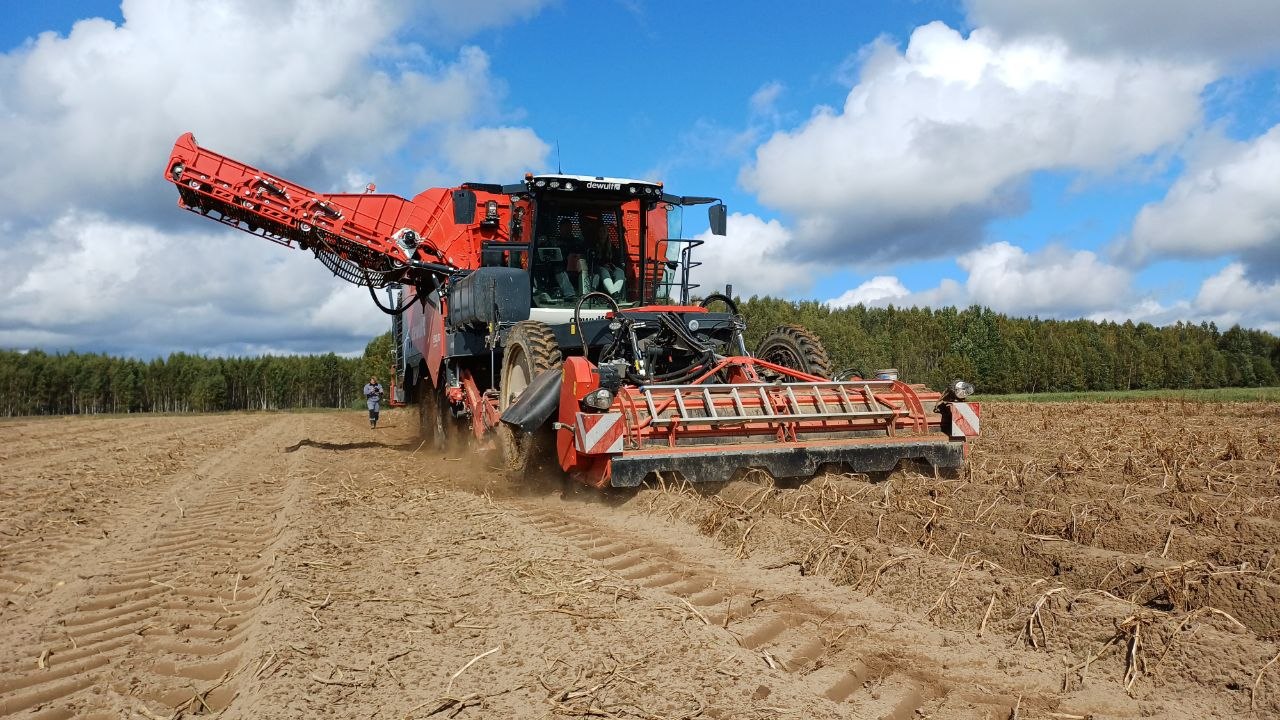
Results differ considerably between regions. In my observations, the Urals received excessive rainfall, some parts of Siberia experienced drought, and European Russia had more favourable conditions, with a relatively dry, warm autumn for harvesting.
工作日。一键取消订阅。
One of the main problems is inconsistent seed quality, particularly in processing varieties. The move by many producers towards processing potatoes after the weak ware-potato prices of 2022–2023 increased demand for appropriate seed. Problems with bacterial diseases and black dot have subsequently affected crop establishment, quality and storage.
The consequences can emerge after several years. Where potatoes return quickly to the same land, the history of seed health and field contamination becomes important. Storage difficulties that surprise a business today may have roots in decisions taken two or three seasons earlier.
Should production costs be measured per tonne or per hectare?
I would start with costs per hectare: the same area might produce 30 tonnes or 50 tonnes. In the situations I describe, costs are approximately RUB 300,000–350,000 per hectare, depending on seed, fertiliser and crop protection.
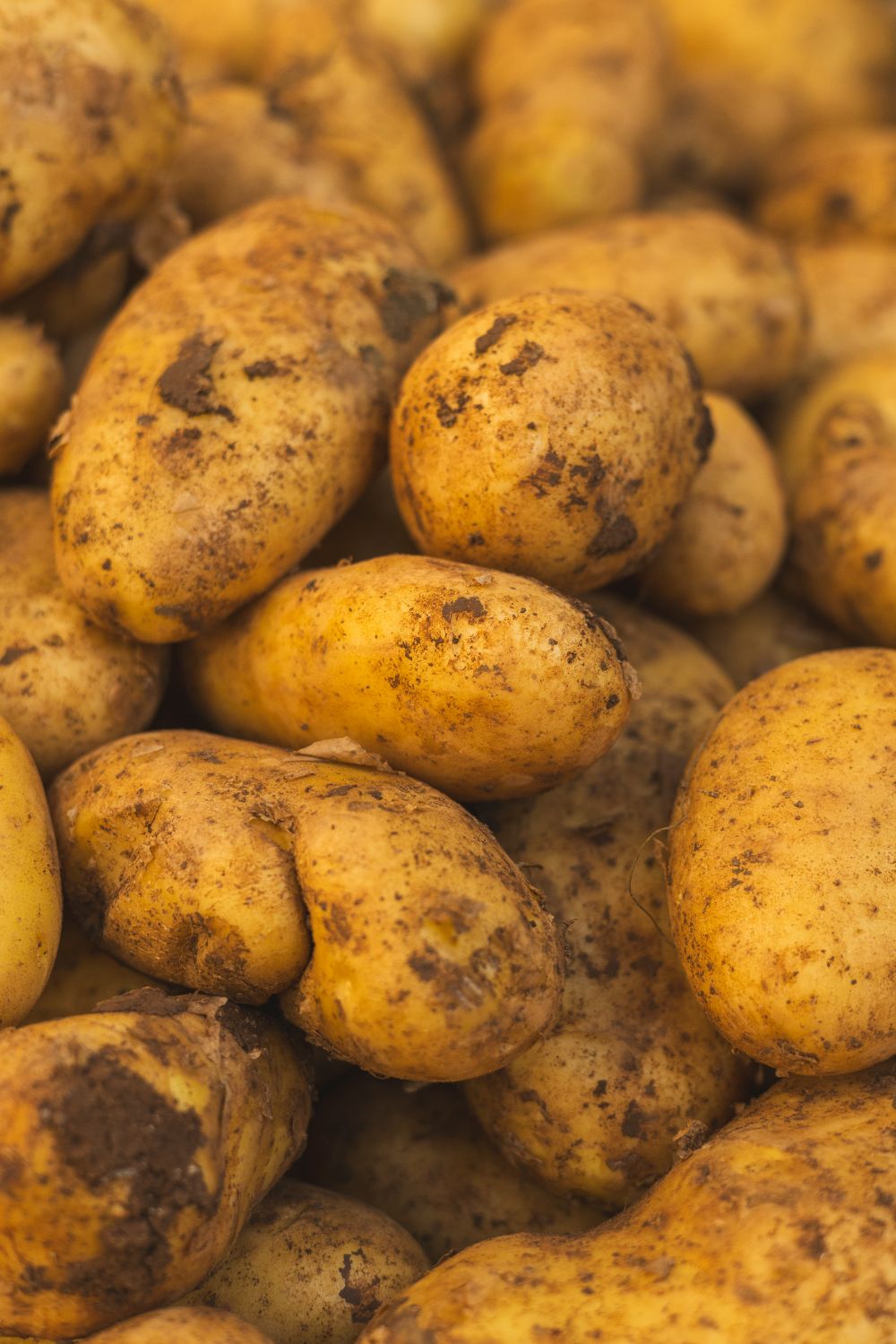
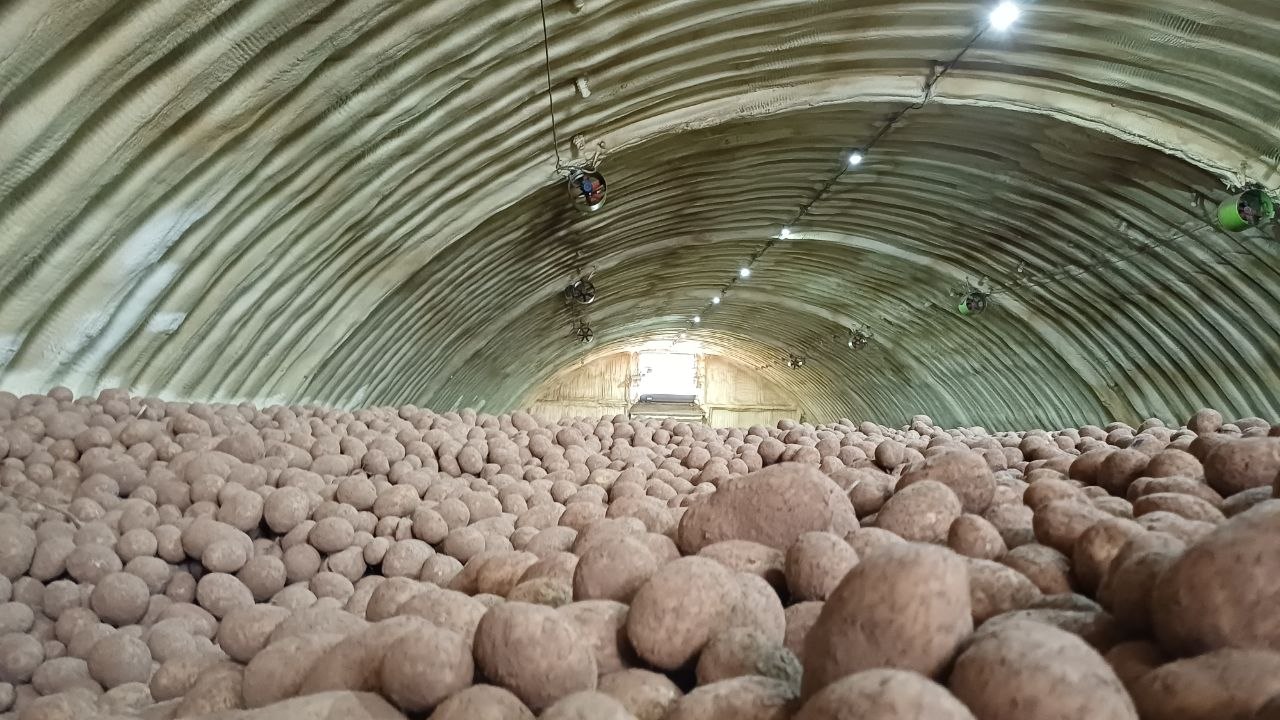
Most businesses I work with in European Russia have achieved 52–55 tonnes per hectare of ware potatoes in clean weight this season. Marketable quality is about 80%, and after storage approximately 35 tonnes per hectare remain for sale.
At the farm-gate prices I cite of RUB 22–24/kg, that gives an acceptable result. We expect wholesale buying prices to rise above RUB 30/kg; that is our expectation, not a guaranteed outcome. Investment performance should be assessed over four or five years.
The figures describe different stages of output: harvested clean weight, marketable grading and the volume available for sale after storage. They should not be read as equivalent yield measures. The interview does not provide a complete breakdown of storage, finance, packing and delivery costs, so it does not establish a net-profit margin.
Which agronomic mistakes most often reduce yield, quality and profit?
Poor-quality seed and planting into incorrectly prepared soil come first. Inadequate spring soil preparation makes it difficult to maintain the intended planting depth and build the soil structure required for crop development.
Are Russian farms ready to supply industrial processors?
Many businesses are ready, provided seed quality is reliable and purchase prices make processing-potato production at least as attractive as supplying retail chains.
What is changing in seed supply and the variety mix?
The share of domestic varieties with useful characteristics is increasing in Russian plantings. At the same time, I believe there is still insufficient high-quality planting material.
A high seed category alone does not always guarantee the condition growers expect. Tissue culture and controlled-environment multiplication can help, but these systems also depend on correct procedures and consistent production standards.
Where do you see opportunities to improve production efficiency?
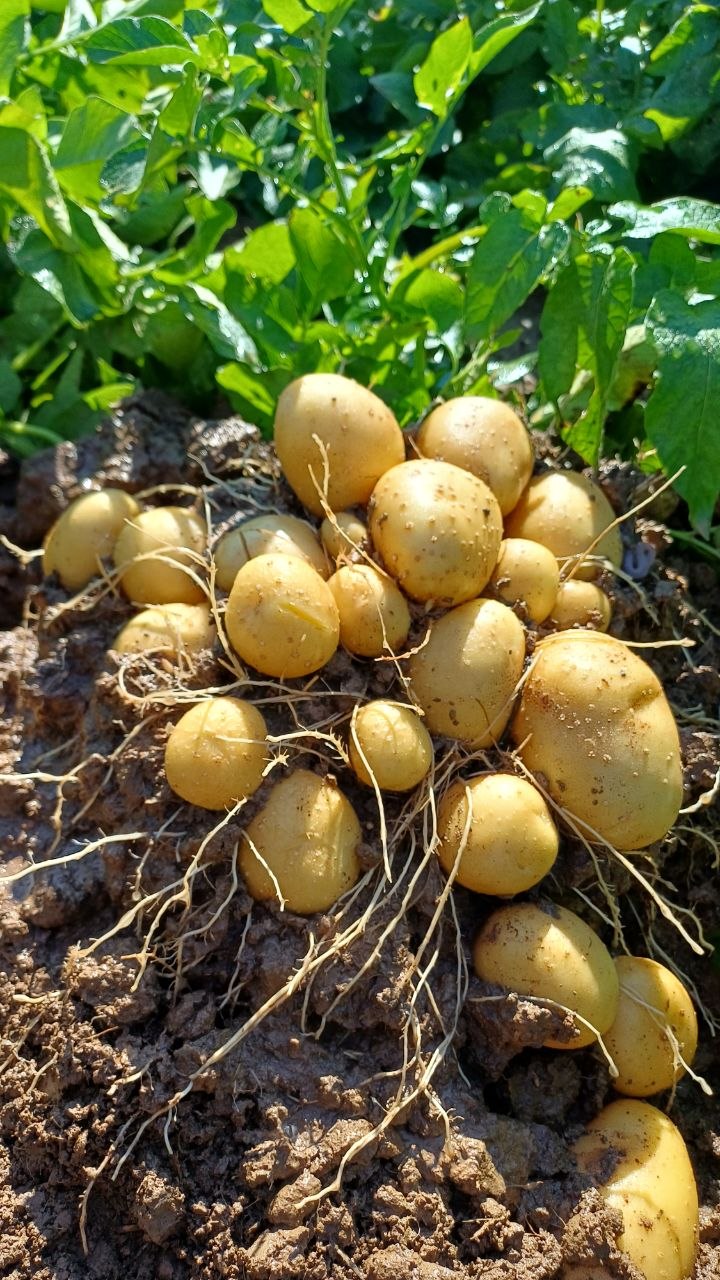
I would pay closer attention to seed-tuber size and the number of stems that a lot can produce. Growers should question high yield expectations from small seed tubers that produce only a limited number of stems.
Seed size is one part of this decision. The Government of New Brunswick’s technical guidance also identifies physiological age, variety and intended use as factors in sprouting and crop development. A larger tuber is not, by itself, a universal prescription for higher profitability.
How do field history and phytosanitary risks affect the economics?
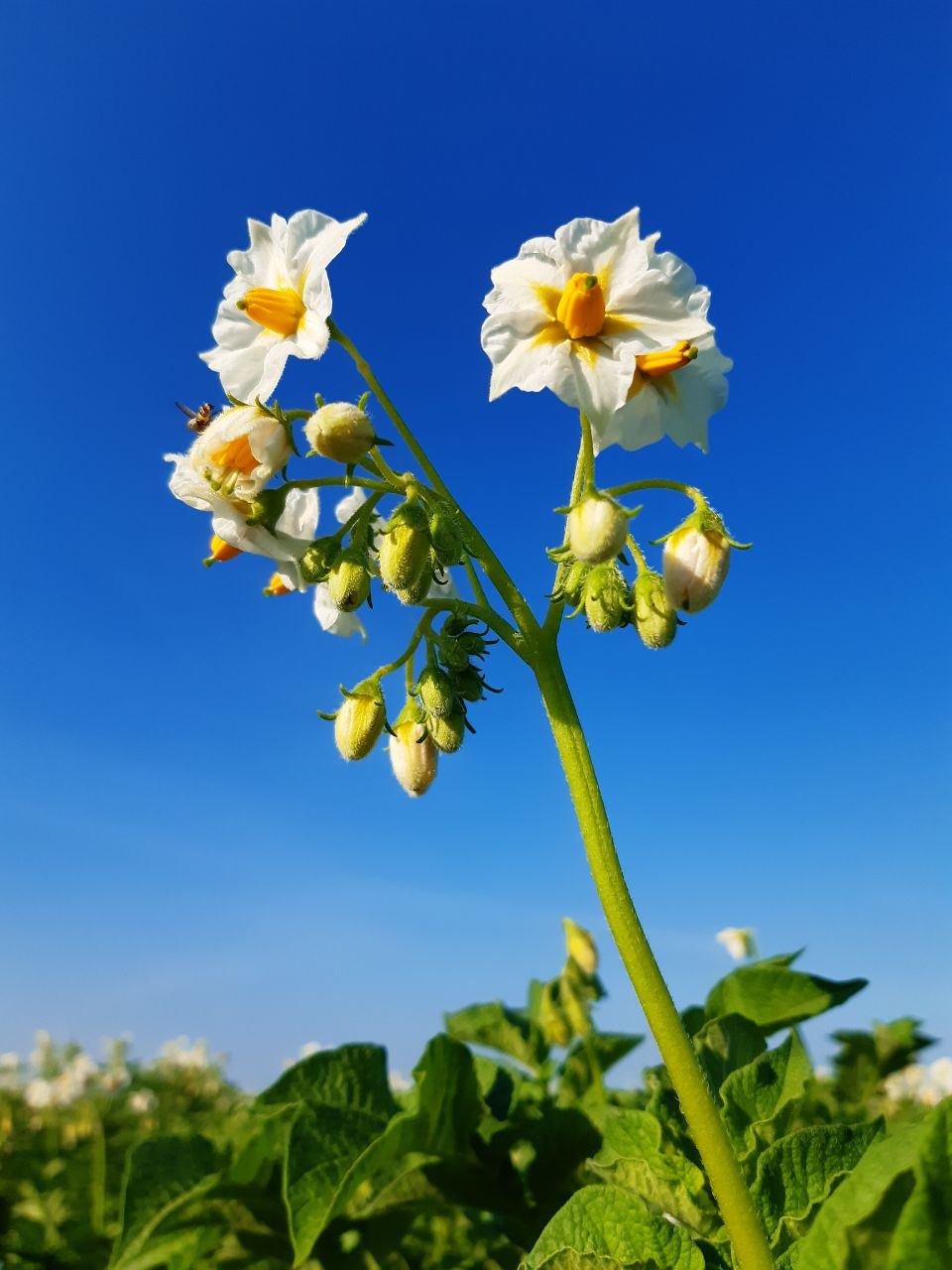
Phytosanitary risks are central. I recommend a three- to four-year rotation for ware-potato production and at least four years for seed potatoes, while recognising that the actual disease risk of a field must be assessed separately.
Black dot is a particular concern. Small seed operations may have options to move production to other sites, whereas a large business with a long-established land base has far less flexibility.
Black dot is caused by Colletotrichum coccodes. AHDB’s disease guidance reports that its microsclerotia can survive for seven years in soil and advises clean seed, longer rotations and control of volunteers and weed hosts. A rotation interval therefore does not automatically make a previously affected field free of the pathogen.
Which three systemic issues should the industry address?
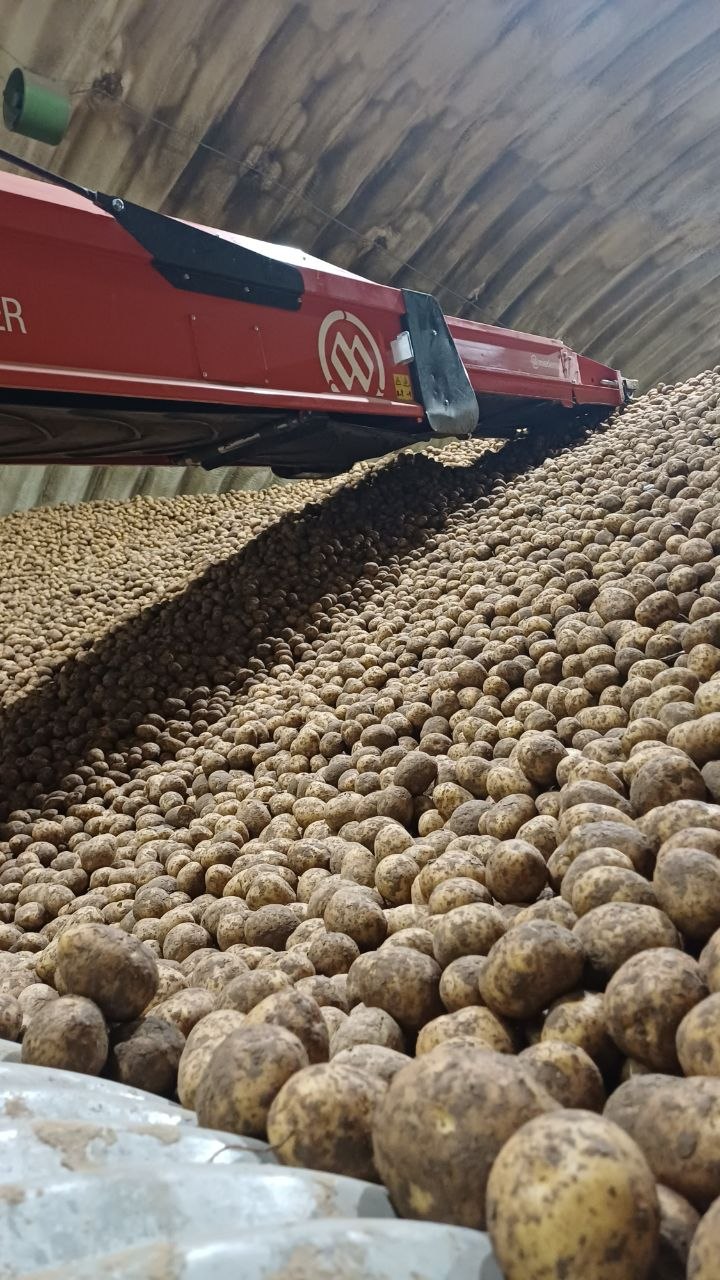
First, the biosecurity of the land used by potato businesses. Second, consistent seed-potato quality. Third, the professional capacity of farm agronomy teams.
What are the prospects for investment and planted area in 2027?
All the businesses I work with plan to increase potato area and investment in 2027.
This answer refers to Syrtsov’s client businesses, not to a national acreage forecast.
What should growers do now?
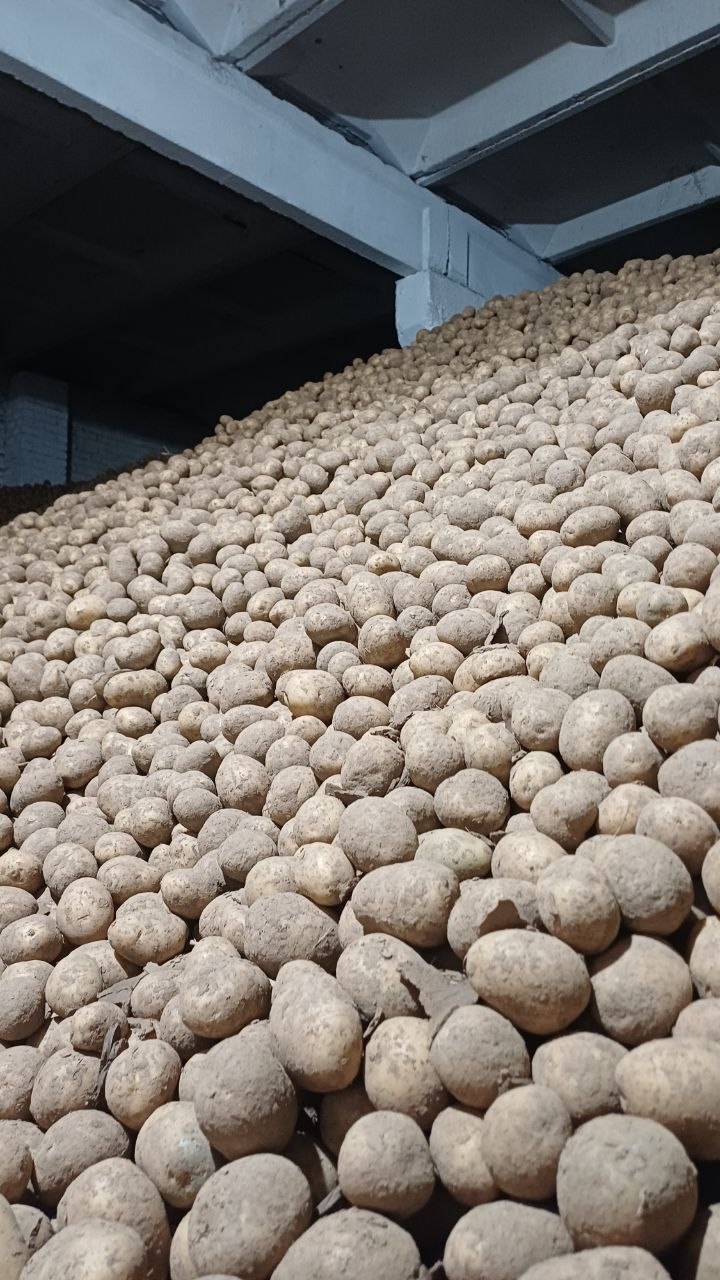
Before sowing grain, we assess germination and germination vigour. Seed potatoes also need an autumn–winter assessment of their capacity to develop. The results should inform planting-rate adjustments or, where necessary, rejection of unsuitable seed lots.
关于专家
Dmitry Syrtsov is an independent agronomist providing consulting, technical evaluation and marketing support for potato projects in Russia. Read his Potato Expert Panel profile. Professional websites: potatorus.ru 和 inpulsar.ru.
来源
Written interview supplied by Dmitry Syrtsov; AHDB, 黑点; Government of New Brunswick, Physiological Age and Seed Preparation. Technical sources checked on 13 November 2026. Photographs supplied for the interview by Dmitry Syrtsov.