From a Test Tube in the Netherlands to a Plate in China: How a French Fry Variety Is Built
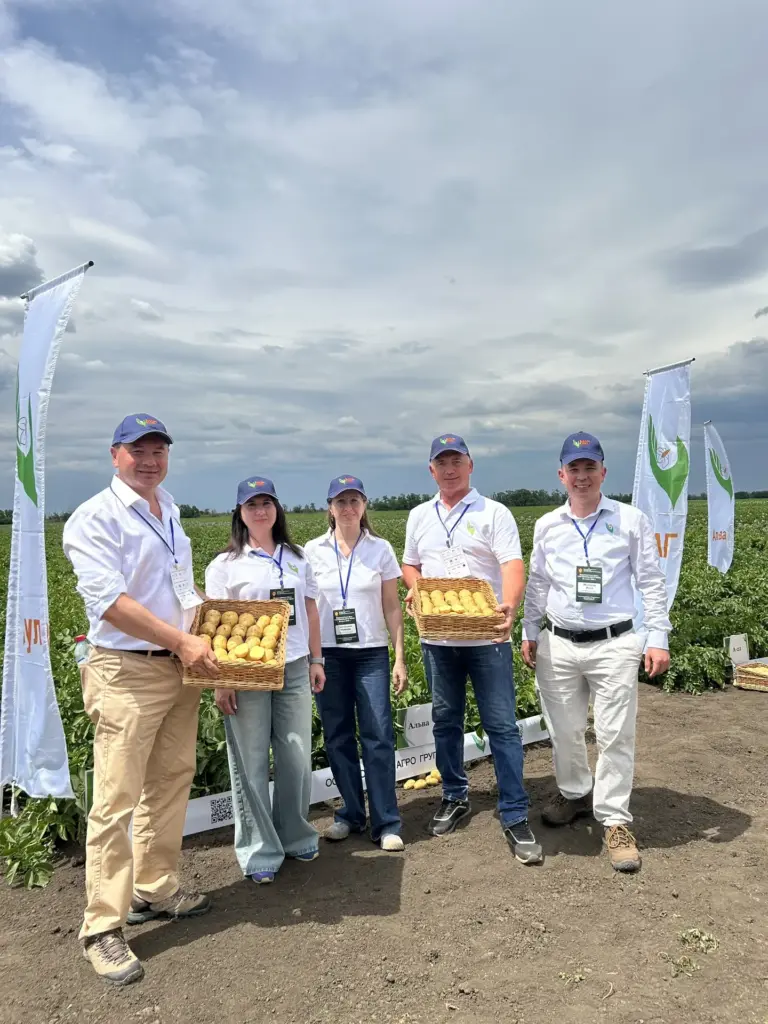
Martin Jansen Klomp, who leads the French Fries sector business team at Royal HZPC Group, spent several weeks in China meeting the partners who brought the Ivory Russet variety into commercial production. His main takeaway is a simple one: no successful variety is developed by a single organisation.
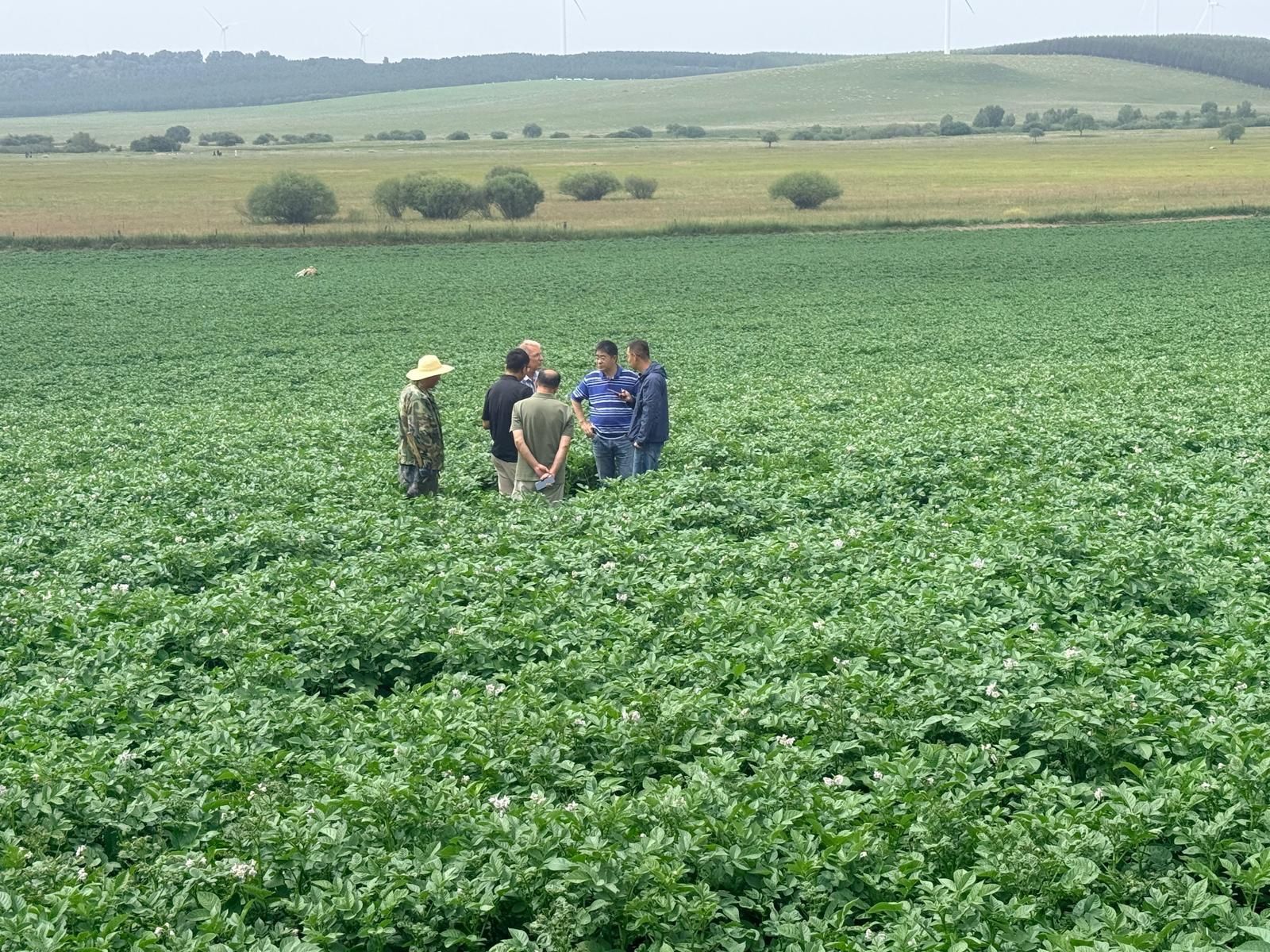
Martin Jansen Klomp, who leads the French Fries sector business team at Royal HZPC Group, spent several weeks in China meeting the partners who brought the Ivory Russet variety into commercial production. His main takeaway is a simple one: no successful variety is developed by a single organisation.
What happened
Jansen Klomp described a series of meetings with HZPC’s Chinese partners — from producers of starting material through to processors. Ivory Russet is one of the company’s varieties for the QSR (quick service restaurant) segment, and in China it has travelled the full distance: from imported in vitro plants to a finished product served in restaurants.
Lasting innovation in seed potatoes, he argues, is not built on a single breakthrough but on years of joint work: field trials, adapting the variety to local conditions, learning — and, he stresses separately, trust between the partners in the chain.
“Progress rarely happens overnight. Behind every visible success are years of research, field trials, adaptations, learning, and trust between partners,” — Martin Jansen Klomp, Royal HZPC Group.
Five links in one chain
The route the variety took, as HZPC describes it, reads like a textbook on introducing a variety to a new market:
- Breeding. The variety was bred at HZPC’s Research Station in the Netherlands.
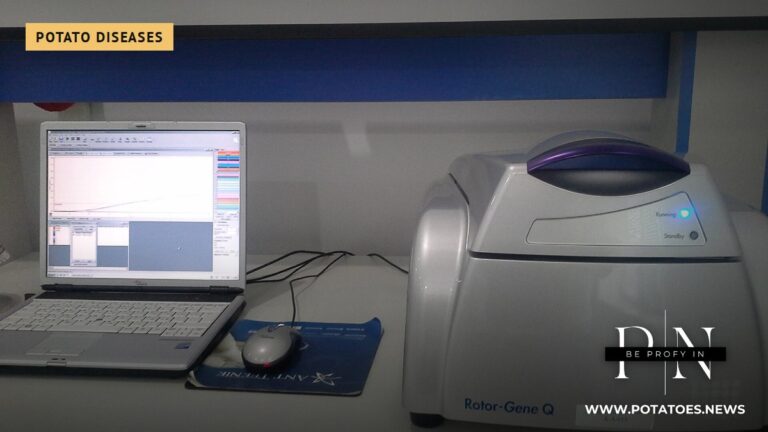
- Healthy starting material. In China the story began with in vitro plants and minituber production.
- Seed multiplication. Local seed potato growers multiplied the material through the generations.
- Commercial production. Commercial growers produced the ware crop destined for processing.
- Processing. Factories turned the tubers into frozen French fries for foodservice chains.
The key point: not one of these links belongs to the breeding company. The breeder supplies the genetics, but the quality of the final fry is decided by agronomy, storage and factory settings — that is, by the work of partners.
Variety profile: Ivory Russet
Ivory Russet is an HZPC variety (Netherlands) developed for the frozen French fry market. It is medium-early, with long-oval tubers, russet skin and white flesh, medium-high specific gravity and strong processing qualities. It also suits the fresh market, stores well and is suitable for early processing. On agronomy, the breeder notes that the best quality is achieved on fertile soils, irrigation is recommended, and the variety tends to set fewer tubers per plant than Russet Burbank.
HZPC has been active in China since the early 2000s. The company entered the fry market first with Innovator, then with Ivory Russet, and later expanded into the fresh segment as well.
What comes next: Alverstone Russet
Jansen Klomp also flagged the next step: Alverstone Russet is currently in seed production and will be evaluated extensively during the coming season.
It is a high-yielding French fry variety with very evenly white internal flesh that can be stored at lower temperatures, and it has been approved by McDonald’s for shoestring fries. The logic mirrors Ivory Russet: seed material and trials first, commercial volumes only afterwards.
Why it matters
Ivory Russet’s Chinese chapter illustrates how variety introduction into the processing market actually works today. Three points worth keeping in mind for anyone working in French fries:
- The planning horizon is years, not a season. Several years of field trials and adaptation to local conditions separate the first test tube from stable deliveries to a factory.
- A fry variety is a specification, not just genetics. QSR requirements for length, dry matter, fry colour and storage behaviour set a frame that breeder, agronomist and factory all have to hit.
- The weakest link sets the result. A failure in seed multiplication, in storage or on the line cancels out the breeding work — and vice versa.
As frozen French fry consumption keeps growing in Asia, the Middle East and South America, the same pattern is repeating in market after market: demand is not for a variety as such, but for a variety brought up to industrial standard under specific local soil and climate conditions — backed by local seed multiplication rather than imports alone.
Source: LinkedIn post by Martin Jansen Klomp, Royal HZPC Group. Additional data from HZPC (hzpc.com, hzpc.ca) and PotatoPro.
HZPC French fry varieties mentioned: Innovator, Ivory Russet, Alverstone Russet, Travolta, Cardyma, Invictus, Quintera, Castor.